
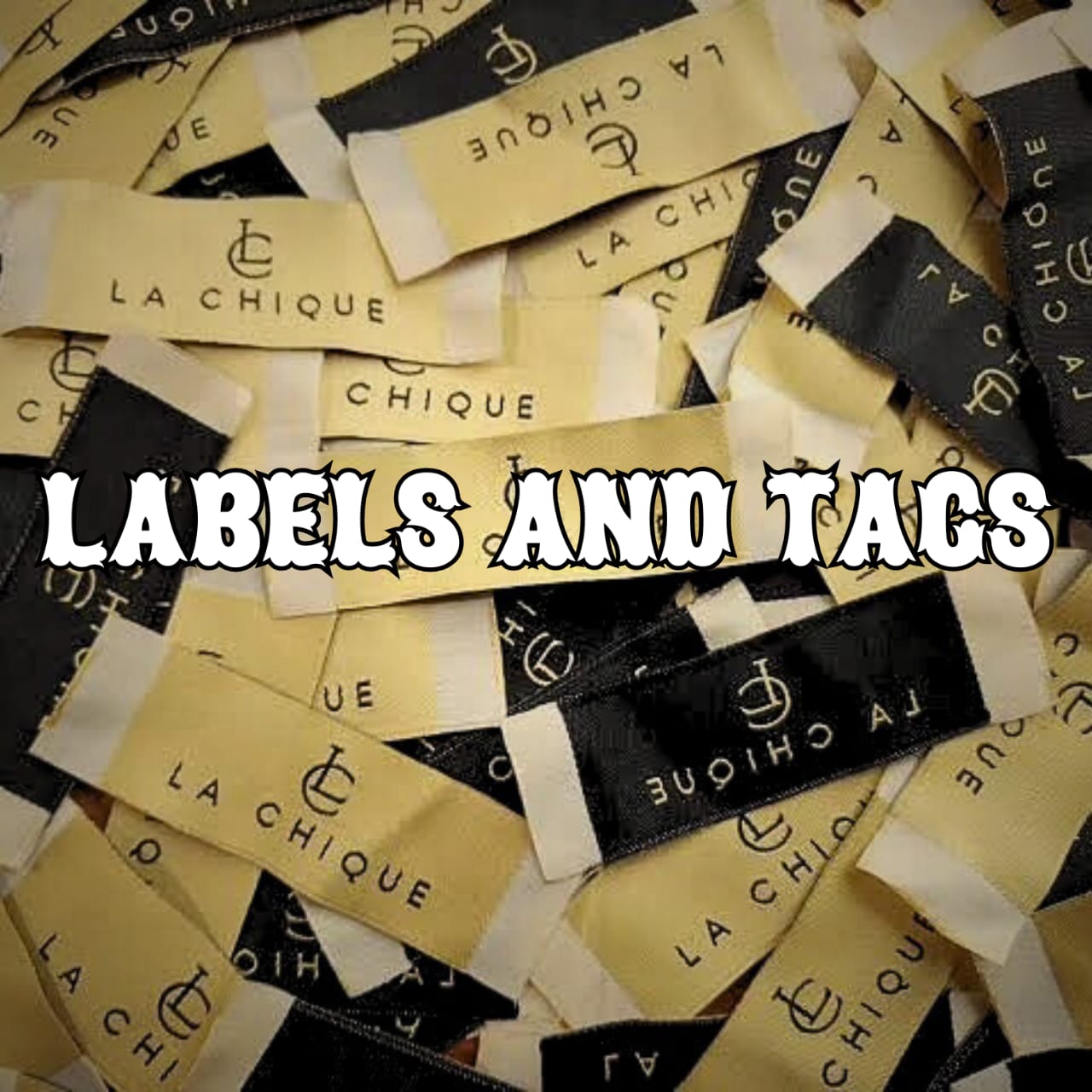
Labels and tags play a huge role in apparel manufacturing. They don’t just provide product information — they also strengthen a brand’s identity. When used correctly, they improve customer experience and add a professional finish to every garment. In this blog, we’ll explain what labels and tags are, why they matter, and the different types commonly used in the clothing industry.
What Are Labels and Tags?
Labels stay permanently attached to the garment and share essential details like size, fabric content, and care instructions. Tags, however, are usually removable and focus more on branding, pricing, and marketing. Together, they help customers understand the product while giving your apparel a premium look.
Why Labels and Tags Matter
Brands use labels and tags to improve recognition, build trust, and provide clarity. Moreover, customers rely on them to understand how to care for their products. With the right combination, you boost professionalism and strengthen brand value.


Types of Labels Used in Apparel
1. Woven Labels
Woven labels use threads to create the brand name or logo. They look premium and work great for hoodies, sportswear, and fashion garments.
2. Printed Labels
Printed labels apply ink on satin, cotton, or polyester. They feel soft and work well when comfort matters, especially for activewear.
3. Heat Transfer Labels (Tagless)
Heat-transfer labels press the design directly into the fabric. They feel smooth on the skin and offer a modern, tagless appearance.
4. Size Labels
Size labels simply show the garment’s size. Although small, they make product sorting and retail operations easier.
5. Care Labels
Care labels guide customers on washing, drying, and ironing. Clear instructions help clothing last longer and reduce returns.
6. Brand Labels
These labels focus on your logo and identity. They often sit at the neck, hem, or outer seam for branding.
Types of Tags Used in Apparel
1. Hang Tags
Hang tags attach with a string and share branding, pricing, story, and product details. They often influence buying decisions.
2. Price Tags
Price tags highlight the garment’s cost and sometimes show discounts or promotions.
3. RFID / Barcode Tags
These tags help with inventory tracking, scanning, and retail management. Many large brands use them for faster checkout.
Conclusion
Labels and tags may look small, but they play a big role in apparel quality and branding. When you choose the right type, your garments look more professional, your brand becomes more recognizable, and customers feel more connected to your products. Whether you’re creating custom hoodies, uniforms, or sportswear, investing in high-quality labels and tags instantly elevates your entire collection.
Leave a Reply